
Technology Education: A Catalyst for Change and Growth in Local Communities
We could spend all day discussing how and in what ways technology has impacted both urban and rural areas alike, and we wouldn’t be wrong to do so, but little emphasis has been placed on what impact the study of technology has on the future of underserved communities, and that is what this article is aimed at addressing.
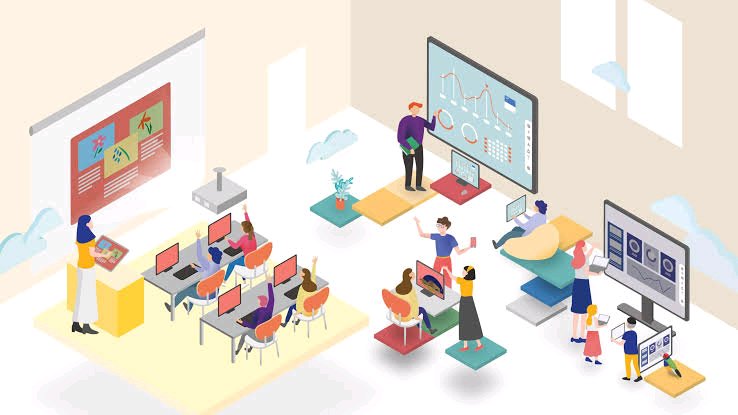
Technology Education is the process of learning about the application, functionality, and implications of diverse technologies, including computers, the internet, mobile devices, software, and digital media. Technology education aims to enhance students’ computer literacy and prepare them for future employment in the digital world.
The Importance of Technology Education in Local Communities
The importance of technology cannot be underestimated, and the study of technology is a vital component of empowering local communities to create stronger and more sustainable futures.
Technology Education can help groups and individuals coexist in a community to:
- Expand their prospects for learning, work, entrepreneurship, and civic engagement by establishing connections with regional and international networks and markets.
- Enhance their creativity, problem-solving, and critical thinking abilities by engaging in project-based and collaborative learning activities that involve technology.
- Acquire the knowledge required to access, produce, and distribute resources and information in the digital age.
- Improve the standard of living by providing access to health, social, and educational services online.
- Improve the quality of entertainment and social interaction.
Factors That Hinder the Expansion Of Technology Education
Although the study of technology has made great progress over the past decade, it has encountered certain difficulties in trying to help the local populations, particularly the poor, secluded, and rural ones. Among these difficulties are:

- Absence of competent and experienced teachers and facilitators who can guide and support students while skillfully integrating technology into the curriculum and syllabus.
- Insufficient knowledge, drive, and self-assurance among students and teachers to leverage technology for education and growth while also surmounting the digital divide and skills gap.
- Absence of physical technology resources, such as computers, for learners to practice whenever they learn.
- Absence of acceptable and pertinent software, apps, and material that can respect local communities’ culture, language, and values while also catering to their requirements, interests, and settings.
- Lack of awareness, motivation, and confidence among learners and educators to use technology for learning and development.
- There is an absence of laws, rules, and standards that can guarantee the safety, security, and quality of technology education while also defending the rights and privacy of users.

Addressing The Steps To Combat The Obstacles Of Technology Education
Technology Education will, by no small feat, play a crucial role in reducing the gap in knowledge between developed, developing, and underdeveloped communities, and more effort must be made to combat the difficulties and obstructions of technology education in local communities. Technology education needs a comprehensive cooperative that includes many players and sectors, including the government, businesses, education sectors, civil society, and media, to overcome these obstacles.
The following are a few tactics and methods that can help local communities with technology education:
- Establishing and upholding laws, rules, and guidelines that can guarantee the security, accessibility, and quality of technology-based education while also defending the rights and privacy of users—particularly minors and vulnerable populations—.
- Improving and expanding the digital resources and infrastructure in communities and schools while also offering grants, rewards, and discounts to lower their cost and increase their accessibility.
- Establishing peer networks and communities meant for practice, sharing, and learning, as well as professional development and capacity building for mentors, teachers, and facilitators who can use technology to teach and learn,
- Educating students, teachers, and communities about the advantages and prospects of technology education while dispelling any myths and easing any worries that would prevent its implementation.
- Producing and developing software, applications, and locally relevant and culturally sensitive material that may engage educators and learners while incorporating them in the process of creation and assessment
We can help local communities harness the potential of technology for both the common good of society and their personal development and well-being by providing them with technology education. Education in technology is essential for creating more resilient and sustainable futures. It should not be treated as an option; it should be treated as a necessity.
A Glimmer of Hope for a Technology-Inclined Tomorrow✨:
Despite the obstructions and undeniable setbacks, there have been a lot of contributions from organizations that are aimed at bringing information about technology to those who would find it difficult to access. Here are some instances:
- In Nepal, a non-profit organization called Open Learning Exchange (OLE) developed a community learning center that offers technology education and access to local residents. The center provides courses on digital literacy, coding, entrepreneurship, and other skills that can enhance their employability and income.
- In rural Kenya, a project called BRCK provided solar-powered devices that could connect to the internet and deliver digital content to schools and communities.
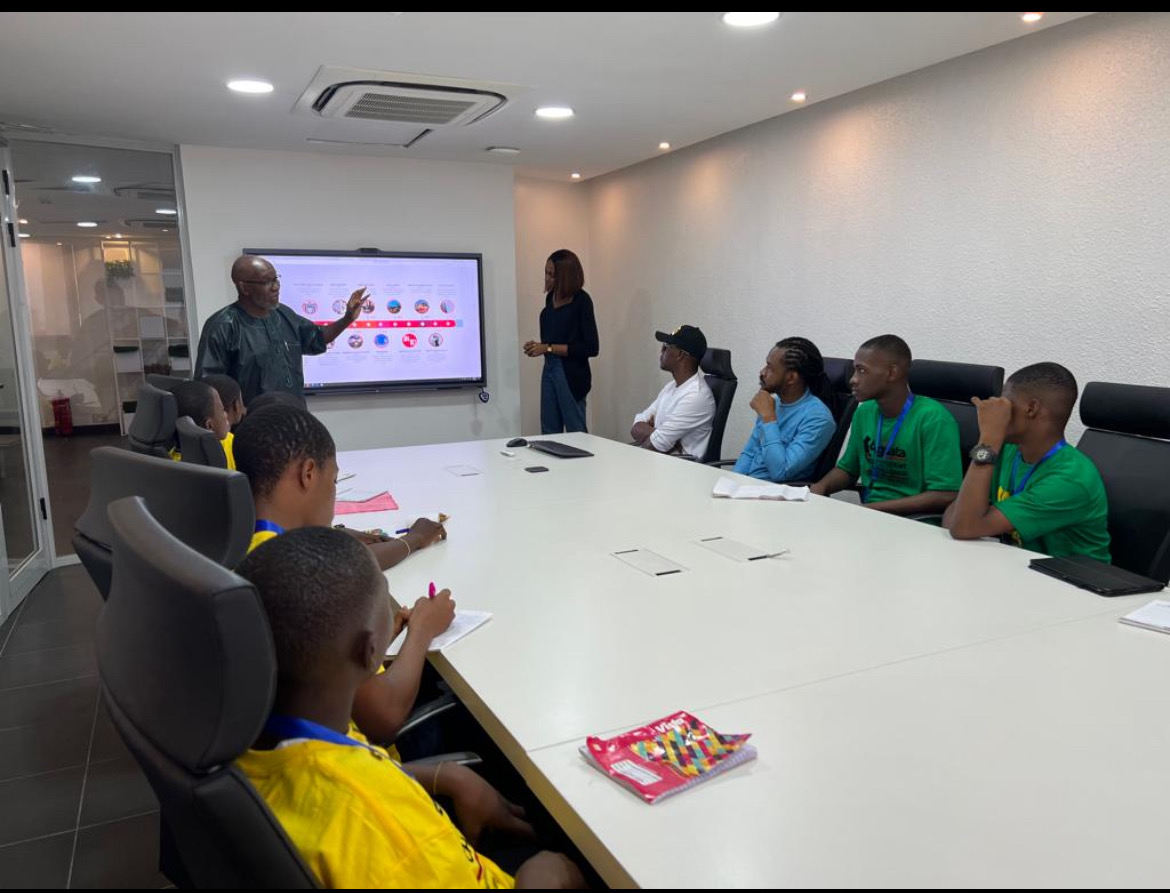
Another example of such an organization is Blip School. Blip School enables large-scale collaboration, increased productivity, and career advancement for members of underserved communities in Nigeria.

Blip School provides relevant programs so members can learn technical skills such as programming languages, web development, data analysis, etc., all of which are aimed at impacting the right skills necessary to stay relevant in the digital age.
To learn more about our services, visit: https://blip.school/